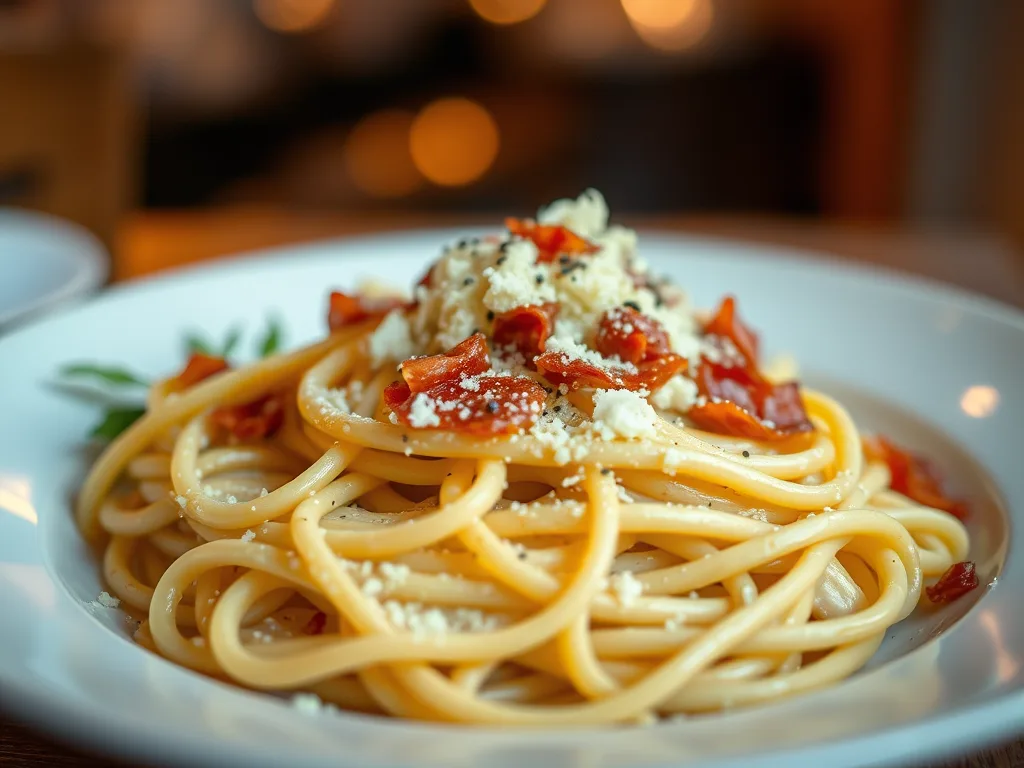
The Story Behind Carbonara Sauce
Italian Carbonara is a relatively young dish with a surprisingly disputed origin story. While some trace it to ancient Roman cuisine, most food historians believe Carbonara emerged in Rome in the mid-20th century — possibly during or just after World War II. One compelling theory holds that American soldiers stationed in Rome during the war introduced eggs and American bacon to local cooks, who combined them with pasta and Pecorino Romano. Whether that theory is fully accurate or not, Carbonara quickly became one of Rome’s defining pasta dishes. It is simple, rich, peppery, and deeply satisfying, the kind of sauce that proves a short ingredient list can still demand real skill. Carbonara is not complicated because it has many parts; it is complicated because every part has to be handled correctly.
The name is often said to derive from "carbone," meaning charcoal, either because the black pepper resembles charcoal flecks, or because it was a dish popular among coal miners, known as carbonari. The authentic Roman version uses guanciale, cured pork cheek, Pecorino Romano, sometimes mixed with Parmigiano, whole eggs plus extra yolks, and black pepper — no cream, ever, a distinction that Roman cooks defend with considerable passion. The creaminess comes entirely from the emulsification of the egg and cheese with pasta water — a technique that, when mastered, produces one of the most luxurious sauces in all of Italian cooking. From Chef Ruben’s kitchen, I love Carbonara because it teaches humility. You cannot bully it with high heat. You have to listen to the sauce.
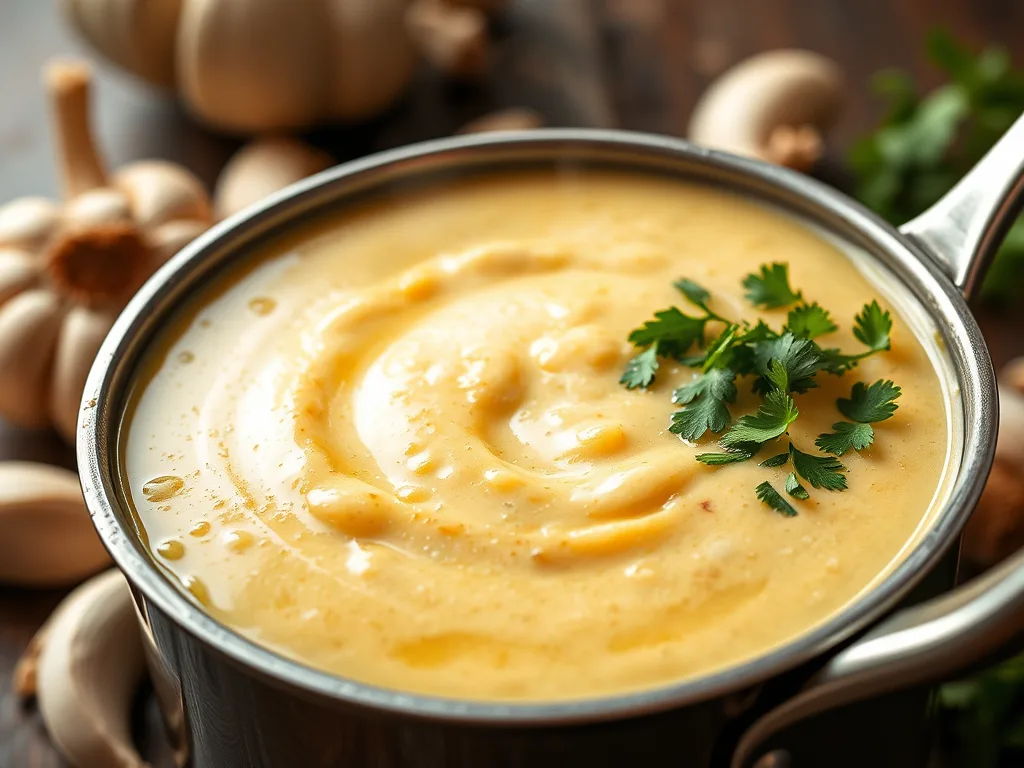
The technique begins with rendering the guanciale slowly until the fat melts and the pieces become crisp at the edges. That fat becomes part of the sauce, carrying flavor through the pasta. The eggs and cheese should be mixed into a thick paste, then loosened with hot pasta water. The pasta must be hot enough to gently cook the eggs, but not so hot that they scramble. This is where timing matters. Remove the pan from direct heat, toss quickly, and add pasta water little by little until the sauce turns glossy and creamy. Black pepper should be generous because it is one of the main flavors, not just a garnish. Pancetta can be used if guanciale is hard to find, but guanciale gives the most traditional flavor because of its rich, porky fat. Spaghetti is classic, though rigatoni and tonnarelli are also beloved. Carbonara has suffered many heavy cream versions around the world, and while those can be tasty in their own way, the Roman method is special because it creates richness through technique rather than shortcuts. It is pasta, eggs, cheese, pork, pepper, and water becoming something greater than their parts. That is why Carbonara remains iconic: it feels indulgent, but it is built on precision, tradition, and respect.
Time and Servings:
- Prep Time: 5 minutes
- Cook Time: 10 minutes
- Total Time: 15 minutes
- Servings: 4 servings
Nutrition (per serving):
- Calories: 310 kcal
- Fat: 22g
- Carbohydrates: 3g
- Protein: 14g
Ingredients:
- 12 oz pasta (spaghetti or bucatini preferred)
- 4 oz pancetta or guanciale, diced
- 4 egg yolks (for traditional creaminess)
- 1/2 cup Pecorino Romano cheese, finely grated
- 1/4 tsp freshly ground black pepper (adjust to taste)
- Salt, for pasta water
Instructions:
- Cook the Pasta:
- Bring a large pot of salted water to a boil.
- Cook 12 oz of pasta until al dente, according to package instructions.
- Reserve 1/2 cup of pasta water before draining the pasta.
- Prepare the Pancetta or Guanciale:
- In a large skillet, cook 4 oz of diced pancetta or guanciale over medium heat.
- Stir occasionally until crispy and the fat has rendered, about 5-7 minutes.
- Remove the skillet from heat but leave the rendered fat in the pan.
- Mix the Egg and Cheese Sauce:
- In a medium mixing bowl, whisk together 4 egg yolks, 1/2 cup of grated Pecorino Romano cheese, and 1/4 tsp of freshly ground black pepper.
- Add a small splash of the reserved hot pasta water (1-2 tbsp) to temper the eggs, whisking quickly to prevent scrambling.
- Combine and Toss:
- Return the drained pasta to the skillet with the pancetta and rendered fat, tossing to coat the pasta evenly.
- Gradually pour the egg and cheese mixture over the pasta, tossing quickly to coat the noodles.
- Add the reserved pasta water a little at a time to adjust the consistency, creating a creamy sauce.
- Serve Immediately:
- Divide the Carbonara pasta among plates and garnish with extra Pecorino Romano and freshly ground black pepper.
- Serve hot and enjoy the authentic flavors of Italian Carbonara.
Tips for Success:
- For best results, use guanciale if available for a richer, more authentic flavor.
- Work quickly when mixing the egg sauce with the hot pasta to prevent the eggs from scrambling.
- Adjust the consistency with pasta water to achieve a silky, creamy sauce.
Wine, Cocktail, or Drink Pairing:
- Pair this Carbonara with a dry white wine like Pinot Grigio or a light red wine such as Chianti for a classic Italian meal.